
Real Estate Investing in Central New York
Real Estate Investing in Central New York: What This Guide Covers
Central New York offers real estate investors a combination that's increasingly hard to find elsewhere in the state: affordable entry prices, healthy rental demand, and a once-in-a-generation economic catalyst already reshaping the region. Whether you're a local landlord looking to expand your investment portfolio or an out-of-state buyer exploring Syracuse NY for the first time, this guide covers what you need to know to invest with confidence in 2026 and beyond, and how to work with a CNY real estate expert in the Syracuse area.
The focus here is on rental properties - specifically long-term buy-and-hold and small multifamily investments in Onondaga County and southern Oswego County. We'll walk through why CNY deserves close attention from real estate investors right now, what returns are realistic, which sub-markets to research, how to finance and manage investment property in this region, and how KH Realty Group can support you from acquisition through ongoing management. Data cited throughout is current through 2025–2026 where available.

Why Consider Real Estate Investing in Central New York?
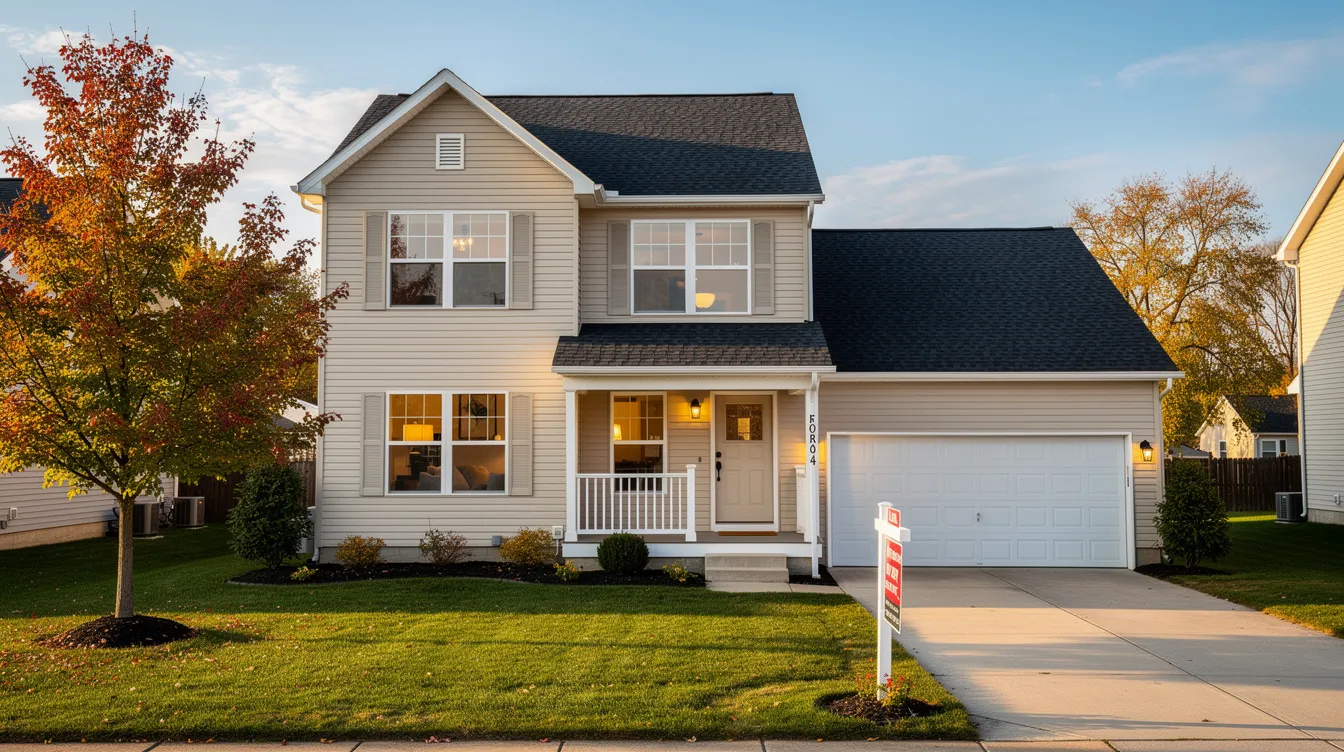
Real estate investing in CNY has moved from a niche play to a serious conversation among investors nationwide - and for good reason. A massive semiconductor project is bringing job creation and economic growth to the Syracuse area's northern suburbs, while purchase prices remain a fraction of what buyers face downstate or in most coastal metros. For investors focused on cash flow rather than speculative appreciation, this market offers a compelling combination of rent-to-price ratios and stable tenant demand.
Key Investor Advantages in CNY
- Low entry prices: Central New York offers lower entry price points compared to downstate New York, with many investment-grade properties trading well under $250,000. The median home value in Syracuse is $93,200, significantly below state and national averages.
- Strong rent-to-price ratios: The 1% rule - which suggests a property's monthly rent should ideally be at least 1% of the purchase price - is achievable in many areas of Syracuse and its suburbs, a target that's nearly impossible in higher-cost markets.
- Large renter population: 55% of households in Syracuse are renter-occupied, creating a substantial base of tenant demand. Rental rates have remained stable to increasing in many areas.
- Diversified employment base: Healthcare systems, Syracuse University, SUNY campuses, Amazon facilities, and a growing manufacturing sector anchor steady demand for workforce housing.
Economic Drivers and the Micron Effect
The single largest economic driver reshaping the CNY investment landscape is Micron Technology's planned semiconductor facility in the Town of Clay. This approximately $100 billion, multi-decade investment is projected to create roughly 9,000 permanent Micron jobs, plus tens of thousands of construction, supplier, and induced positions across the region. Investors can dive deeper into how Micron is transforming the Syracuse and Clay area to understand long-term housing demand. Regional forecasts estimate approximately 44,000 new jobs and 33,000 new households over the coming decades.
Micron's investment is expected to drive job growth and property appreciation across Clay, Liverpool, Cicero, Baldwinsville, and surrounding communities. The David's Landing Apartments complex in Clay - a 96-unit project started around 2023 - already reports that over 20% of its tenants are Micron workers, illustrating how rental demand from Micron's workforce is already materializing and raising questions about where thousands of Micron workers will live in CNY. State officials have cited a need for 30,000 new housing units in the region to meet workforce demand in the early years of the project.
Other local anchors - Upstate University Hospital, SUNY Upstate, Syracuse University, and regional healthcare systems - further support steady tenant demand across the Syracuse area.
Who CNY Real Estate Investing Is (and Isn't) For
CNY is a strong fit for buy-and-hold landlords seeking cash flow, small multifamily investors, BRRRR investors comfortable with older housing stock, and local homeowners considering house hacking as an entry strategy into real estate. House hacking is a common entry strategy for new real estate investors in this market because of the abundance of duplexes and triplexes available at accessible price points.
Investors pursuing highly speculative, short term appreciation plays may not find CNY as desirable as hotter Sunbelt markets. Syracuse's home appreciation rate averaged 0.18% annually over ten years, reinforcing that this is primarily a cash flow market - though the Micron effect may shift that trajectory in certain corridors over the coming decade.
Understanding the Syracuse Investment Property Market
Syracuse is the core of the CNY rental market, but real estate in Central New York varies from neighborhood to neighborhood. The city itself, the inner suburbs, and the outer towns each present different risk-reward profiles. Investors evaluating nearby communities may find it helpful to review the thriving real estate market of North Syracuse as one comparative sub-market. This section provides a data-backed snapshot of pricing, rents, and demand relevant to investors.
Home Prices and Affordability
The median home value in Syracuse is $93,200, and the average sale price of a home in Syracuse was $169,000 in August 2022. In Onondaga County overall, the median residential sale price has climbed to approximately $260,000 as of mid-2025. Oswego County remains more affordable, with a county median around $185,000.
Compared with New York State's statewide medians (often $500,000+ downstate) and national medians above $400,000, CNY stands out as highly accessible. These lower entry prices mean that 20–25% down payments remain feasible for many investors, including first-time buyers - making it substantially easier to build an investment portfolio here than in most comparable-sized metros.
Rents, Rent-to-Price Ratios, and Cash Flow Potential
Fair Market Rent in the Syracuse MSA for a 2-bedroom unit is approximately $1,321/month in 2025, with 3-bedroom units at roughly $1,616. Median rent for a one-bedroom apartment is $938, though listings for newer or renovated units can command more. Average rents for 2-bedroom apartments have trended toward $1,605 in 2026 on major listing platforms.
To illustrate cash flow potential: consider a duplex purchased for $250,000 in a suburb like Liverpool or Clay, with each unit renting for $1,400/month. That's $2,800/month gross rental income ($33,600/year). After subtracting estimated vacancy (5%), property taxes (~$5,000), insurance (~$1,200), maintenance (10% of rent), and management fees (8%), the net operating income lands in the range of $19,000–$21,000 - a cap rate of roughly 7.5–8.5%. Cash-on-cash return with 25% down financing might range from 5–7% initially, with potential improvement through refinancing or rent growth.
Student housing near Syracuse University commands per-bedroom pricing, while family rentals in suburbs tend toward standard whole-unit leases with longer tenancy.
Vacancy, Turnover, and Tenant Demand
Multifamily vacancy in Onondaga County was approximately 6.2% in Q1 2024, with the apartment market described as balanced. Syracuse's rental market has a 61.3% occupancy rate. Low inventory in Syracuse supports stable cash flow for investors who price and manage their properties well.
Typical lease terms are 12 months. University-adjacent student rentals see higher turnover tied to academic calendars, while suburban family rentals in Clay, Liverpool, and Cicero often retain tenants for two to three years. Demand from renters relocating for Micron construction or permanent positions, traveling nurses, and professionals who prefer to rent before buying keeps vacancy low in well-located, well-maintained properties.
Regulations and Landlord-Friendliness
New York State has a more regulated landlord-tenant environment than many states. Eviction requires court proceedings under the Real Property Actions & Proceedings Law, and the Housing Stability and Tenant Protection Act (2019) introduced security deposit limits, late fee caps, and other tenant protections statewide. New York State has some of the highest property tax rates in the nation - a factor that requires close attention during underwriting.
Syracuse has a rental registry and active code enforcement. Central New York requires a Rental Registry Certificate for certain rentals. Older housing stock frequently triggers lead paint, electrical, and plumbing inspections. The Good Cause Eviction law, enacted in 2024, currently applies to certain NY cities but Syracuse is not among them - though investors should monitor potential changes at the state or local level.
Real estate investing requires understanding local factors such as property taxes and housing stock age, and working with a knowledgeable local real estate agent and attorney is essential for navigating compliance.
Types of Investment Properties in Central New York
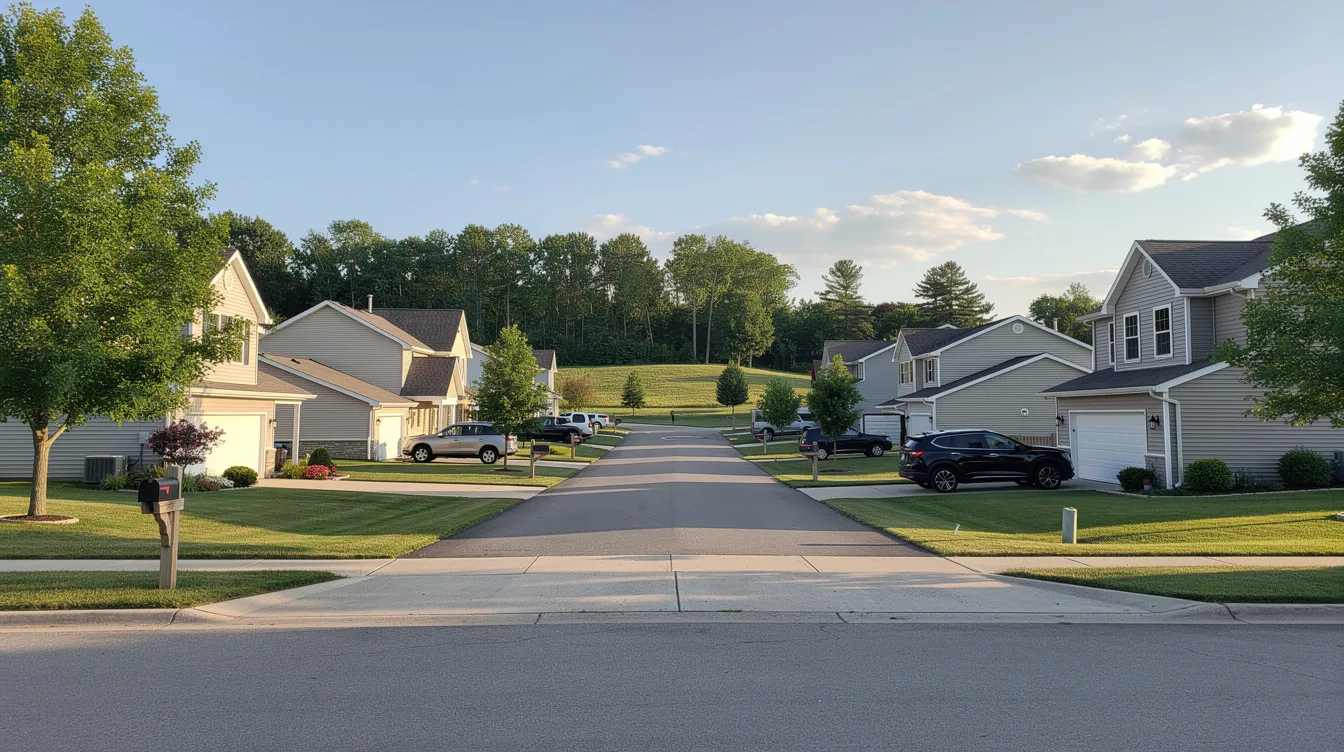
CNY offers a range of property types suited to different investment goals and budgets, from starter single family rental homes to small apartment buildings. KH Realty Group can help investors identify which type best aligns with their investment strategy, whether the priority is cash flow, portfolio growth, or a balance of both, and connect buyers to Syracuse homes for sale with expert local agents.
Single-Family Rental Homes
Typical single family rentals in CNY range from 2–4 bedrooms. Most homes in Central New York were built between 1880 and 1950 in the city, with newer construction (1960s–2000s) in suburbs like Clay and Cicero. Pros include easier financing, broad tenant appeal among families and relocating professionals, and simpler management. The main risk: one vacancy means 100% vacancy, with all property taxes and maintenance carried by a single rent stream.
Small Multifamily (2–4 Units)
Duplexes, triplexes, and fourplexes are popular among Syracuse investors and house hackers. They're common in inner-city Syracuse, near bus lines, and in older villages like Baldwinsville and Phoenix. Financing remains residential (conventional or FHA for owner-occupants), and vacancy risk is spread across units. Aging housing stock may pose significant renovation and maintenance challenges for investors targeting these properties, so thorough inspections are critical.
Larger Multifamily and Small Apartment Buildings
Properties with 5–20 units are found in village centers and inner suburbs. They require commercial financing and typically benefit from professional apartment property management. Cap rates can be attractive due to scale economies, but underwriting complexity is higher. These are best suited for investors with experience or strong local management partners.
Student and Academic-Affiliated Housing
Student housing near Syracuse University, SUNY ESF, and Le Moyne College benefits from strong demand during the school year and the potential for per-bedroom rental rates. Turnover is high, wear and tear are substantial, and local zoning and occupancy limits require careful research. Investors should pay close attention to parking, square foot minimums, and lease enforceability during off-terms.
Short-Term and Medium-Term Rentals
Short term rentals (Airbnb/VRBO) can work near hospitals, downtown Syracuse, the university area, and lakefront locations in Oswego and Onondaga counties. Medium-term rentals (30–90 day stays) are increasingly desirable for traveling nurses, Micron contractors, and corporate tenants relocating to the area. Regulations, municipal ordinances, and insurance requirements must be verified before pursuing this strategy - the landscape for short term rentals is evolving across NY.
Single-Family vs. Multifamily Rental Investments
A central decision for CNY investors is choosing between single family houses and multifamily buildings. Each has trade-offs specific to the Syracuse market.
Comparing Cash Flow and Cap Rates
Multifamily properties generally produce higher gross yield but may demand more capital for rehab and management. A single family home in Cicero rented for $1,500/month on a $190,000 purchase will have a different risk and return profile than a Syracuse duplex rented at $2,400/month total on a $220,000 purchase. The duplex diversifies rental income across two tenants, while the single family home may attract a more stable, longer-term
family tenant. Investors should model both scenarios using local comps and realistic expense assumptions.
Financing, Insurance, and Lending Differences
Conventional lenders treat 1–4 unit properties as residential, with standard mortgage products and 20–25% down for investors. Properties with 5+ units shift into commercial lending territory - shorter amortization, potentially higher interest rates, and different underwriting criteria. Insurance costs per unit can also differ: multifamily buildings in older Syracuse neighborhoods may carry higher premiums due to building age, location, and construction type.
Management and Tenant Profile Considerations
Tenant profiles differ meaningfully between a suburban single family rental in Clay and a fourplex near downtown or university corridors. Suburban tenants tend to stay longer and require less intensive management. Clustered multifamily units allow more efficient maintenance and vendor coordination but may present more varied tenant issues. The right choice depends on the investor's desired level of involvement, risk tolerance, and whether they plan to self-manage or use a professional property management company.
How to Evaluate Rental Property Returns in CNY
Investors should evaluate deals using consistent metrics - not gut feel or list price alone. The examples below reflect realistic CNY price and rent ranges.
Key Metrics: Cash Flow, Cap Rate, Cash-on-Cash, and ROI
- Cash flow: Monthly surplus after all expenses and debt service. The most immediate measure of whether a property pays its way.
- Capitalization rate (cap rate): NOI divided by purchase price. Useful for comparing properties regardless of financing.
- Cash-on-cash return: Annual pre-tax cash flow divided by total cash invested. Shows what your actual capital earns.
- Long-term ROI: Includes appreciation, mortgage paydown, and tax benefits over time.
In a primarily cash flow market like Syracuse, cap rate and cash-on-cash return are the metrics that matter most during acquisition.
Running the Numbers on a CNY Rental Example
Consider a single family rental in Liverpool purchased for $200,000. Monthly rent: $1,600. Gross annual rent: $19,200. Subtract 5% vacancy (~$960), property taxes (~$4,500), insurance (~$1,100), maintenance at 10% (~$1,920), and management at 8% (~$1,460). Estimated NOI: approximately $9,260 - a cap rate near 4.6%. With 25% down ($50,000) and a mortgage on the balance, monthly debt service will further reduce cash flow. This illustrates why purchase price discipline and accurate expense modeling are critical. Properties priced lower relative to achievable rent produce meaningfully better returns.
Stress-Testing Your Investment
CNY investors should model rent drops of 5–10%, unexpected repairs (furnace replacement, roof on a pre-1950 home), and extended vacancies - particularly during winter months when leasing activity slows. Budget 5–10% of gross income annually for CapEx reserves. Use conservative assumptions for rent growth and property values; treat appreciation as a bonus, not a plan. KH Realty Group can help investors review numbers and local comps before making offers.
Financing an Investment Property in Central New York
CNY investors can access a mix of traditional and investor-specific financing. The right structure depends on credit, experience, and investment strategy - and financing terms strongly influence your ultimate returns.
Conventional and Portfolio Loans
Standard 15–30 year fixed mortgages are available for 1–4 unit properties, typically requiring 20–25% down for investors. Interest rates for investment property are generally higher than for owner-occupied homes. Local and regional banks in CNY may offer portfolio loans with more flexibility on property condition and borrower experience - a substantial benefit when targeting older housing stock that doesn't always meet agency guidelines.
FHA, VA, and House Hacking Strategies
Owner-occupant financing (FHA, VA, or low-down conventional) allows buyers to purchase a duplex or triplex, live on the first floor or in one unit, and rent the others. This house hacking approach reduces out-of-pocket capital and lowers the effective mortgage cost - a smart entry point for new investors in Syracuse and surrounding suburbs, especially when paired with an up-to-date Central New York real estate listing search to identify suitable properties.
Private, Hard Money, and BRRRR Financing
Hard money and private money lenders fill a niche for fix and flip projects, heavy rehabs, and BRRRR (Buy, Rehab, Rent, Refinance, Repeat) strategies. The BRRRR strategy involves buying below market value, completing rehab, leasing the property, and then refinancing into a conventional mortgage at the new appraised value. Interest rates and fees are higher on short term loans, but the strategy can accelerate portfolio growth when rehab costs are controlled. Fix and flip investors buy homes below market value to renovate and sell for profit, while wholesalers sign contracts to sell properties without purchasing them - both active strategies that require deep local knowledge.
Getting Pre-Qualified in the CNY Market
Get pre-qualified with an investor-friendly lender before touring properties, especially in competitive segments where homes sell quickly. Syracuse homes sold 52% faster than the previous year in recent cycles, and 74% of homes sold in Syracuse went for above asking price in August 2022 - evidence that preparation matters. KH Realty Group can connect clients with lenders experienced in Syracuse and Onondaga County investment deals.
Ready to discuss financing for your next CNY investment? Call
315-501-2505 or
request a free investor consultation.

Investment Property Expenses and Risk in CNY
Property taxes, maintenance on older housing, and vacancy risk must be fully accounted for in any Central New York underwriting. Realistic expense budgeting separates investors who build lasting profit from those who struggle.
Core Operating Expenses
Key recurring costs include property taxes (high number relative to property values - New York ranks among the highest in the country), insurance, utilities (especially heating in winter), property management fees (typically 8–12%), leasing fees, lawn care, and snow removal. CNY winters increase snow removal and heating-related maintenance needs substantially. Local contractors should be reliable due to the impact of harsh winters on property maintenance - finding and vetting vendors before you close is essential.
Capital Expenditures on Older CNY Housing Stock
Big-ticket items common in Syracuse and older village housing include roofs, boilers and furnaces, windows, electrical upgrades, and potential lead paint or asbestos remediation. In the city of Syracuse, approximately 43% of housing units were built in 1939 or earlier, and roughly 86% were built before 1980. Budget at least 5–10% of gross rental income annually for CapEx reserves and invest in professional inspections before every purchase.
Market and Regulatory Risks
Potential risks include local economic slowdowns, changes to New York State landlord-tenant laws (including possible expansion of Good Cause Eviction protections), evolving rules on short term rentals, and property tax reassessments. Syracuse saw a 68% decrease in construction permits from 2021 to 2022, illustrating how supply-side constraints can shift quickly. Recent Micron land purchases in Clay signaling demand for CNY homes further highlight how major employers can tighten available inventory. Zoning and infrastructure limitations in Clay and surrounding towns - including wetland setbacks and utility capacity - also influence how rapidly housing supply can respond to demand.
Diversification across neighborhoods and property types within CNY can help mitigate these risks.
Mitigating Risk With Professional Support
Using an experienced CNY-focused brokerage and professional property management reduces vacancy, legal, and maintenance risk. KH Realty Group advises on neighborhood selection, tenant screening, lease structures compliant with NY law, and code compliance across Syracuse and its suburbs.
Areas to Research for Rental Property Investing in Central New York
"Central New York" is not a single market. Returns and risk vary by neighborhood, school district, and proximity to major employers. Investors should match sub-markets to their strategy.
Syracuse Neighborhoods
Key city sub-areas include the Near East Side, Tipp Hill, Northside, Eastwood, University area, and downtown. Property types range from single family homes to small multifamily buildings. Median gross rent in Syracuse is $793, though rents vary widely by condition and location. Syracuse's population growth rate has averaged -0.11% annually over ten years, which underscores why neighborhood-level research matters - some pockets are stable and desirable while others require careful due diligence on crime, code enforcement, and property condition.
Suburban Hubs: Clay, Liverpool, Cicero, Baldwinsville
Areas near Clay and Liverpool are popular for rental investment. These Onondaga County suburbs feature many 1960s–2000s homes, strong Syracuse schools, lower crime, and commute-friendly access to Micron and other major employers. Prices are generally higher than in the city but come with lower turnover and fewer intensive rehab needs. Cicero and Baldwinsville also attract family renters and relocating professionals, making them desirable targets for investors seeking stability.
Southern Oswego County: Phoenix, Central Square, and Nearby
Phoenix and Central Square offer relatively affordable properties within commuting distance of Syracuse and Clay. Common property types include single family homes and small multifamily buildings, with potential for both long-term rentals and medium-term housing for Micron workers and other professionals. Investors should evaluate well and septic systems vs. public utilities, particularly in more rural pockets, and factor in potentially longer vacancy periods.
Data Sources and On-the-Ground Research
Useful tools include rental comps on major listing platforms, Onondaga and Oswego county property tax records, school rating sites, and municipal planning documents (such as the Town of Clay Land Use Study). Walk streets, visit at different times of day, and talk to local property managers to ground-truth your assumptions. KH Realty Group maintains local market insights and can offer custom neighborhood briefings for investors beginning their search.
Property Management for Investors in Central New York
Many CNY investors - especially out-of-area owners - choose professional property management because of distance, winter conditions, and the regulatory complexity of New York's landlord-tenant framework. Management becomes essential infrastructure as your portfolio scales beyond one or two units.
What a CNY Property Manager
Handles
Core services include marketing units, showing properties in all seasons, tenant screening (credit, background, income verification), lease drafting compliant with NY law, rent collection, and handling evictions when necessary. A good manager also coordinates 24/7 emergency maintenance, manages snow removal logistics, and maintains vendor relationships with local contractors who understand CNY's climate and housing stock.
Choosing the Right Property Management Partner
Look for a management company with direct experience in Syracuse and your target suburbs, a transparent fee structure, online owner portals, and demonstrated local compliance knowledge. Key questions: What is your average days-to-lease? What are your eviction rates? How do you handle turnovers during winter? Understanding the difference between real estate and property management services is also important when building your team.
How KH Realty Group Supports CNY Investors
KH Realty Group provides residential and apartment management services across Central New York, including Syracuse, Liverpool, Clay, Cicero, Baldwinsville, Phoenix, and Central Square. We integrate acquisition advisory with ongoing management so our clients build portfolios - not just buy one property. Our property management hub details the full scope of services available to investor-owners.
Working With KH Realty Group
KH Realty Group is a CNY-focused brokerage and property management team specializing in real estate investors, including first-time landlords and out-of-state buyers. Local agent expertise is critical for navigating the competitive housing market in Central New York, and our team brings that knowledge to every client engagement.
Our Investor-Focused Services
- Identifying cash-flowing properties across Onondaga and southern Oswego counties
- Investment property tours with detailed rent and expense analysis
- Offer strategy and negotiation in competitive sale environments
- Rehab scope reviews and contractor referrals for older CNY housing stock
- Full-service property management after closing, plus options if you need to sell your North Syracuse home for cash
- Specific support for Micron-related relocations and worker housing strategies informed by our Micron news and real estate updates blog
How the Investor Consultation Works
- Initial call: We review your investment goals, budget, timeline, and risk tolerance.
- Custom property and neighborhood brief: Delivered via email or video call, tailored to your target sub-markets and return requirements.
- On-the-ground property search and analysis: We tour properties with you (or on your behalf), run the numbers, and help you make confident offers.
Consultations are free and non-obligatory. Call 315-501-2505 or schedule through our investor page.
Next Steps and Internal Navigation
- Browse current CNY investment properties
- Schedule an investor consultation
- Review property management services
- Explore how Micron impacts home values in CNY
KH Realty Group can assist whether you're local to Syracuse or investing from out of state.
Frequently Asked Questions About CNY Real Estate Investing
These are the most common questions investors ask before buying in Central New York. Each answer is based on current market conditions and real local experience.
Is Syracuse and Central New York still affordable for investors in 2026?
Yes. While prices and interest rates have risen since 2020 - Onondaga County's median sale price climbed from about $231,000 in 2024 to approximately $260,000 in 2025 - CNY remains far more affordable than most New York and national metros. Many investment-grade properties still trade in the low-to-mid six figures, with rents high enough to target positive cash flow. Syracuse's median home value of $93,200 underscores how much room exists at the entry level.
What kind of cash-on-cash returns can I realistically expect?
Stabilized properties in CNY typically produce mid-single to low-double digit cash-on-cash returns, depending on leverage, condition, and location. Returns depend heavily on purchase price discipline, rehab cost control, and professional management. Investors using owner-occupant financing or the BRRRR strategy may see higher returns on invested capital, but should model conservatively.
Is CNY better for cash flow or appreciation?
CNY, including Syracuse, has historically been a cash flow market with modest but steady appreciation. Property values projections suggest approximately 3.9% growth through late 2026 in Onondaga County, and 2-bedroom rents rose roughly 17% year-over-year in parts of the Syracuse area between 2024–2025. Projects like Micron could shift this balance in certain corridors, but investors should underwrite deals primarily on today's cash flow and treat appreciation as a benefit, not a guarantee.
Can out-of-state investors successfully buy and manage rentals in CNY?
Absolutely. Out-of-area investors commonly buy in Syracuse and suburbs by building a local team: a knowledgeable real estate agent, property manager, lender, and attorney. Visiting at least once during the acquisition process is strongly recommended. Investors should look for properties near major employers for stronger rental demand and lean on management companies with demonstrated local track records.
What are the biggest mistakes new CNY investors make?
- Underestimating rehab costs on older Syracuse houses - most homes in Central New York were built between 1880 and 1950, and hidden issues (foundation, lead paint, knob-and-tube wiring) are common.
- Ignoring property taxes in underwriting - NY's high tax rates can erode returns quickly.
- Buying in the wrong micro-neighborhood without on-the-ground research.
- Trying to self-manage from far away without a local management partner.
KH Realty Group helps clients avoid each of these pitfalls through local market knowledge, honest deal analysis, and full-service management.
How do I get started investing in Central New York with KH Realty Group?
The best starting point is a free investor consultation to clarify your goals, budget, and timeline. Call 315-501-2505, complete the investor consultation form, or start by browsing CNY investment property listings on our website.
Start Your Central New York Real Estate Investment Journey
Central New York offers real estate investors what few markets in New York State can match: affordable entry prices, steady rental demand from a high number of renters, and long-term economic growth anchored by Micron's historic investment in the community. For investors willing to do the work - or partner with a team that will - the opportunity to build a cash-flowing portfolio here is real and measurable.
KH Realty Group serves as your local partner for acquisition and management across Syracuse, Liverpool, Clay, Cicero, Baldwinsville, Phoenix, Central Square, and surrounding communities. Whether you're buying your first investment property or adding to an established portfolio, we're here to help you invest with clarity and confidence, backed by a Central New York real estate team with roots since 1993.
Call 315-501-2505 or request a free investor consultation to evaluate your first - or next - CNY investment property.
KH Realty Group · Serving Syracuse and Central New York investors · Phone: 315-501-2505